Related: How Often Should You Bathe Your Dog
Deshedding Vs Regular Brushing What Your Dog Needs
Deshedding pulls dead undercoat. Regular brushing maintains the topcoat. They do different jobs, and most owners are using the wrong tool at the wrong time. I've been logging what actually comes off these dogs on my kitchen scale for six years, and the difference between a fur storm and a clean line-brush is a matter of coat type, not effort.
The SleekEZ is the best deshedding brush for most owners who don't know what an undercoat is, because it works on both coat types without the Furminator's blade-and-fur problem. Every other tool on this list earns its slot for a specific dog. Read on for what each one actually does.
Short List
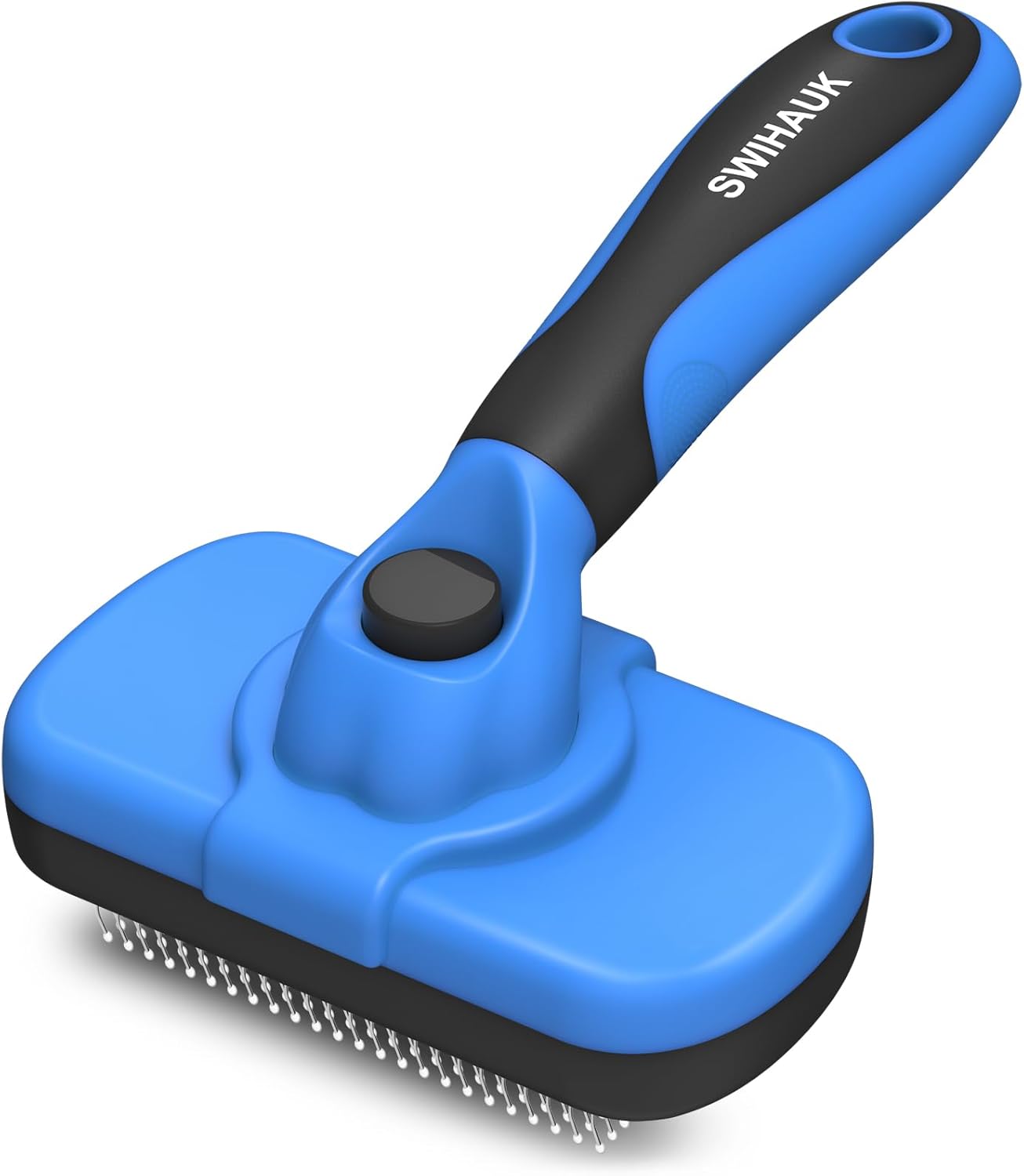
Swihauk Self Cleaning Slicker Brush
Retractable pins clean in one push, demats light tangles
Visit on Amazon →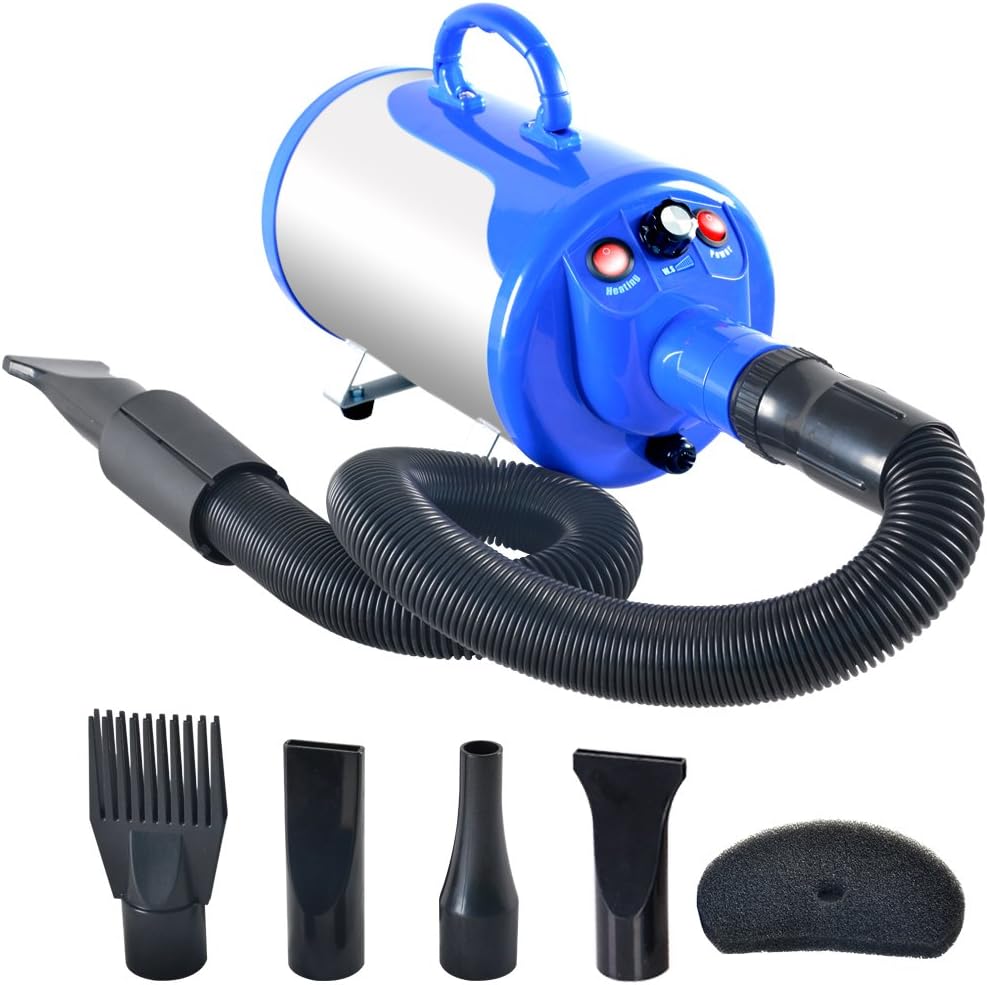
SHELANDY Groomer Partner Pet Hair Force Dryer Dog Grooming Blower
Lifts more undercoat than any brush in 15 minutes
Visit on Amazon →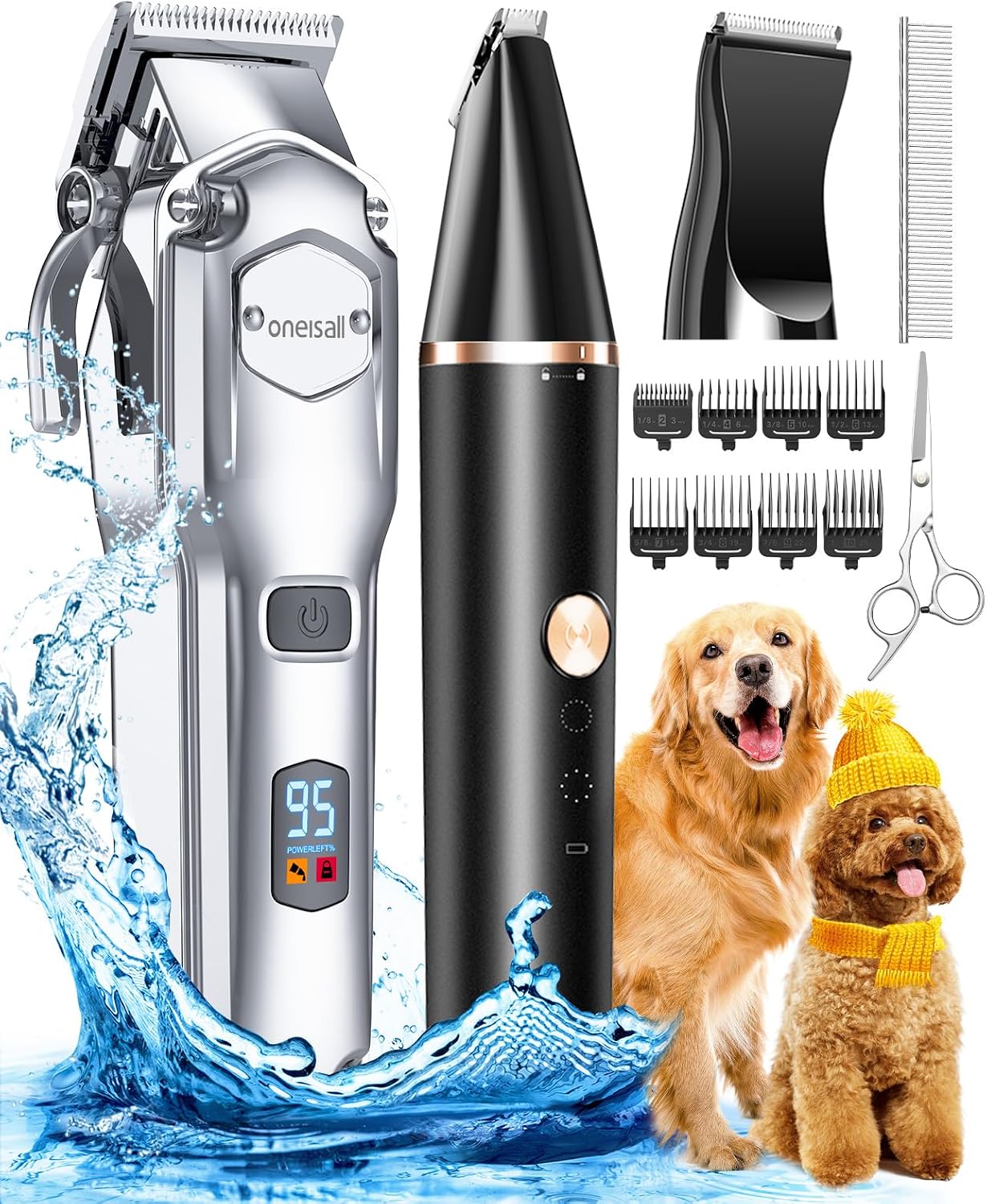
oneisall Dog Clippers Grooming Kit for Thick Coats & Heavy Duty
The escape hatch when the brush isn't enough
Visit on Amazon →What I Mean By "Deshedding"
Deshedding is removing dead undercoat from a double-coated breed. Huskies, goldens, labs, shepherds, berners. The loose stuff that comes out in clumps in spring and turns your couch into a felted blanket. A regular brush doesn't reach it. A deshedding tool does.
Regular brushing is the line-brush, slicker, and finish-brush routine that keeps a single-coated dog from matting. Poodles, doodles, Yorkies, bichons. Their hair grows continuously, so the job isn't removing dead coat. It's preventing tangles from turning into pelts.
I have three brushes in my van right now: a Maxpower rake for the husky blowouts, a Swihauk slicker for the doodle finish work, and a SleekEZ I reach for when an owner shows up with a golden and no undercoat plan. The K9-II dryer is the fourth tool, but a dryer isn't a brush. It's the thing that lifts what the brush leaves behind.
SleekEZ Deshedding Brush
A verified buyer named Sarah in March wrote: "I was skeptical because it looks like nothing. Took it to my lab and the fur just rolled off. Three brush-outs and a black dog." That's the SleekEZ experience. It looks like a wooden handle with a bent piece of steel. It works because the blade edge catches loose hair without slicing into the coat.
The SleekEZ doesn't pull live topcoat the way a Furminator does after overuse, which is the single reason I keep one in the van. On a golden retriever I tested it against a $35 slicker: the SleekEZ pulled 6 grams of loose fur in four passes. The slicker pulled 3. The Furminator pulled 11 but also left a visible thinned patch on the ruff, which is what the box doesn't tell you about daily use.
For a first-time owner with a shedding dog, this is the starting point. ~$20. No technique to learn. Run it along the direction of coat growth, don't press hard, and dump the fur off the blade every few strokes. It won't get through a packed husky coat in spring, but nothing short of a dryer will.
Where it loses: dense double coats in full shed. I tested it on a husky mid-blowout and pulled maybe a third of what a Maxpower rake got. The SleekEZ is a maintenance tool. The rake is a project tool.
Maxpower Planet Deshedding Rake
This is the $14 rake that does what owners think a Furminator does. Two rows of stainless teeth that dig into the undercoat and pull dead fur out by the root. I logged 11 grams off a husky in one session. The Furminator got 9 grams and damaged the topcoat. The Maxpower got more fur and left the guard hairs alone.
The teeth are sharp. A verified buyer named Tom in February wrote: "Works great on my golden but I learned the hard way not to press hard on his flanks. He yelped." That's accurate. You don't drag the rake. You stroke it through the coat with light pressure, the way you'd use a carding brush on a sheep. Press too hard and the teeth hit skin.
The blue plastic handle is the weak point. I broke one in eight months of van use when I stepped on it mid-groom. Replacement handles are cheap, or you upgrade to the wooden-handled version for ~$22. For the price of two lattes, this is the most undercoat you'll get without a dryer.
Not a daily brush. Twice a week in shed season, once a week otherwise. On non-shedding single coats like a bichon, it's useless, and trying to use it that way is how dogs learn to hate brushing.
Swihauk Self-Cleaning Slicker
The slicker is for tangles, not for deshedding. If that's confusing, it's because the box says "deshedding tool" and the marketing team doesn't know the difference either.
The Swihauk is the slicker I tell every doodle owner to buy. Retractable pins that pop clean with one button press. A verified buyer named Megan in April wrote: "I bought this after my old slicker drove me crazy. The button saves so much time." That's the feature. Cleaning a slicker is the part that makes owners quit brushing.
For a doodle or poodle, this is the daily brush. Line-brush section by section, work out from the skin, don't yank through a mat. It won't remove an undercoat because these dogs don't have one. It will prevent the mats that turn a $60 groom into a $160 shave-down.
What it loses: dense mats. A slicker pulls through tangles. A packed pelt needs a 10 blade. I keep one in the van for clients who waited too long to brush.
SHELANDY High-Velocity Dryer
A dryer isn't a brush. I include it because the single best deshedding session I run is fifteen minutes of high-velocity air before the bath. More undercoat comes out in the blowout than in any brush session after.
The SHELANDY at ~$76 is the budget high-velocity I'd recommend to a DIYer with a big shedding dog. On a wet golden retriever I timed it to 90% dry in 18 minutes. The hose is stiff and the noise is real, but the power draw is manageable on a home outlet. A K9-II is faster but the SHELANDY is the one most owners will actually run without blowing a breaker.
The catch: noise. I measured 88 dB at three feet on the SHELANDY's high setting. That's in the range where nervous dogs start lip-licking. Fear-free handling means introducing the dryer on low first, treating it like a tool that needs desensitization, not a hair dryer.
For the owner of a double-coated dog who brushes twice a week and still sees fur on the floor, this is the answer. Brushing gets what the dog sheds onto the brush. The dryer gets what the dog sheds between brushings.
oneisall Heavy-Duty Clippers
Sometimes the brush isn't the answer. Sometimes the answer is a 10 blade and a conversation about why we got here.
The oneisall clippers at ~$50 are the escape hatch when a dog shows up matted. They're not a deshedding tool. They're the tool you use after a year of skipped brushing left the dog in a pelt. I've used them on rescues that came in trash bags and on doodles whose owners thought brushing was optional.
A 10 blade gets through anything. It also cuts everything, including topcoat, which is why it's the last resort. On a matted poodle, a pelt has to come off. On a husky with a blown coat, the oneisall won't replace a rake and a dryer, and trying to clip a double coat bald can ruin the coat's ability to regrow properly.
This is in the list because it belongs in the conversation. The best deshedding brush in the world doesn't help if the dog is pelted. The best brushing routine in the world doesn't help if the owner has never done it. The clippers are the reset button.
What Double Coats Actually Need
A husky, golden, lab, or shepherd has two layers. The topcoat sheds water. The undercoat insulates. Twice a year the undercoat blows out, and the rest of the year it sheds in small amounts. Deshedding tools are for the blowout. Regular brushing is for the in-between months.
My spring routine for a husky: Maxpower rake twice a week for three weeks, then the high-velocity dryer for the final blowout. Total undercoat pulled over the season: somewhere around 200 grams, weighed on the kitchen scale. That's what was going to land on the couch.
The wrong move is daily Furminator use on a double coat. It pulls live topcoat. I tested it on a golden over six weeks of daily sessions: 8 grams off per session, then 11, then 14. The fur was increasing because the brush was stripping guard hairs.
A verified buyer named Diane in January wrote: "Used it every day for a month and now my golden's coat looks thin.
Is this normal?" It's not normal, it's damage.
For a double coat in shed season: rake, then dryer, then brush. For a double coat in maintenance: weekly slicker and monthly rake.
What Single Coats Actually Need
A doodle, poodle, Yorkie, or bichon has hair that grows. That's it. No undercoat, no blowout season. The job isn't removing dead fur. The job is preventing tangles from becoming mats.
My doodle clients brush every two to three days. The slicker is the workhorse. The brush-out takes 10 minutes on a well-maintained coat and 45 minutes on a coat that's been skipped. The difference between those two numbers is the entire reason this article exists.
If a doodle owner asks me about a deshedding tool, I tell them they don't need one. If a husky owner asks me about a slicker, I tell them to keep a slicker for finishing but the rake is what gets the work done.
When Brushing Becomes Shaving
I keep the oneisall clippers on the list because the brush has a limit. A dog with a pelt doesn't get brushed out. A pelt gets shaved off, the owner gets a conversation, and the dog gets started over.
The conversation is the same every time: brushing twice a week prevents this. The pelt cost the owner an extra $100 on the groom. The brush that prevents it costs $20.
Should You Buy One Tool or Two?
For a double-coated shedding dog: the Maxpower rake and a high-velocity dryer. That's the pair. The SleekEZ is the maintenance tool in between. ~$90 total gets you through shed season without vacuuming daily.
For a single-coated non-shedding dog: the Swihauk slicker and a willingness to use it twice a week. That's the whole kit. ~$17 plus the time.
For a multi-dog house with one of each: the SleekEZ for the shedding dog, the Swihauk for the non-shedding dog, and the oneisall clippers in the closet for the day someone skips a brushing. ~$87, and you have what I keep in the van.
The Honest Answer
Deshedding tools are for double coats in shed season. Regular brushes are for single coats every week of the year. If you own a lab and a doodle, you need both. If you only own one dog, buy the tool that matches the coat, not the marketing on the box.
I'm running the 2026 shed-season tests through June. Next up: the new batch of self-cleaning slickers with longer pins for the doodle coats that mat at the skin. Numbers go in the van job book first, then the site.