Affordable dog grooming is not about buying the cheapest thing on the shelf. It is about buying the one tool that matches the coat in front of you, then learning to use it properly. Most home groomers I meet in the van have already spent their money twice: once on a kit that bogged down on a doodle's leg, and again on a replacement they picked without knowing what to look for. So this guide stays narrow on purpose. It covers six tools that all sit in the budget tier, all do one specific job well, and none of them ask you to spend salon money. If you want the short version, the clipper kit below is the one I hand to first-timers. If your dog is already tangling, the comb is the one that saves the groom.
Related: The Best Dog Grooming Kits for Home Groomers
Quick answer
The oneisall Low Noise Dog Clippers Grooming Kit for Dogs Cats Pets is the strongest fit for a first home grooming setup because it puts a low-noise clipper, guards, and the basic pieces a single-dog household reaches for into one budget box. Choose the Coastal Pet Safari Dematting Comb instead when your dog's coat is coarse, medium to long, or already tangling.
What affordable dog grooming gear is actually worth comparing
Cheap and affordable are different words describing different tools. A cheap slicker has pins that bend the first time they meet a mat and a handle that rolls in a wet hand. An affordable one has pins that hold their shape, a grip that survives shampoo, and a price that still leaves money for shampoo in the first place.
That is the lens for every pick in this best affordable dog grooming roundup: does the tool do a job that a much more expensive tool would otherwise have to do? A curved slicker that follows the shape of a shoulder does the work of three straight passes. A self-cleaning brush that drops its fur with one button saves you ten minutes of picking pins by hand. A dematting comb with the right tine spacing can break up a tangle that would otherwise cost you a shave-down.
What is not worth comparing is the sticker on the box. The number that matters is how the tool behaves on the coat you actually own. A large slicker is a waste on a Yorkie. A kitten brush is a joke on a husky in April. Match the tool to the dog and the budget takes care of itself.
Product grid
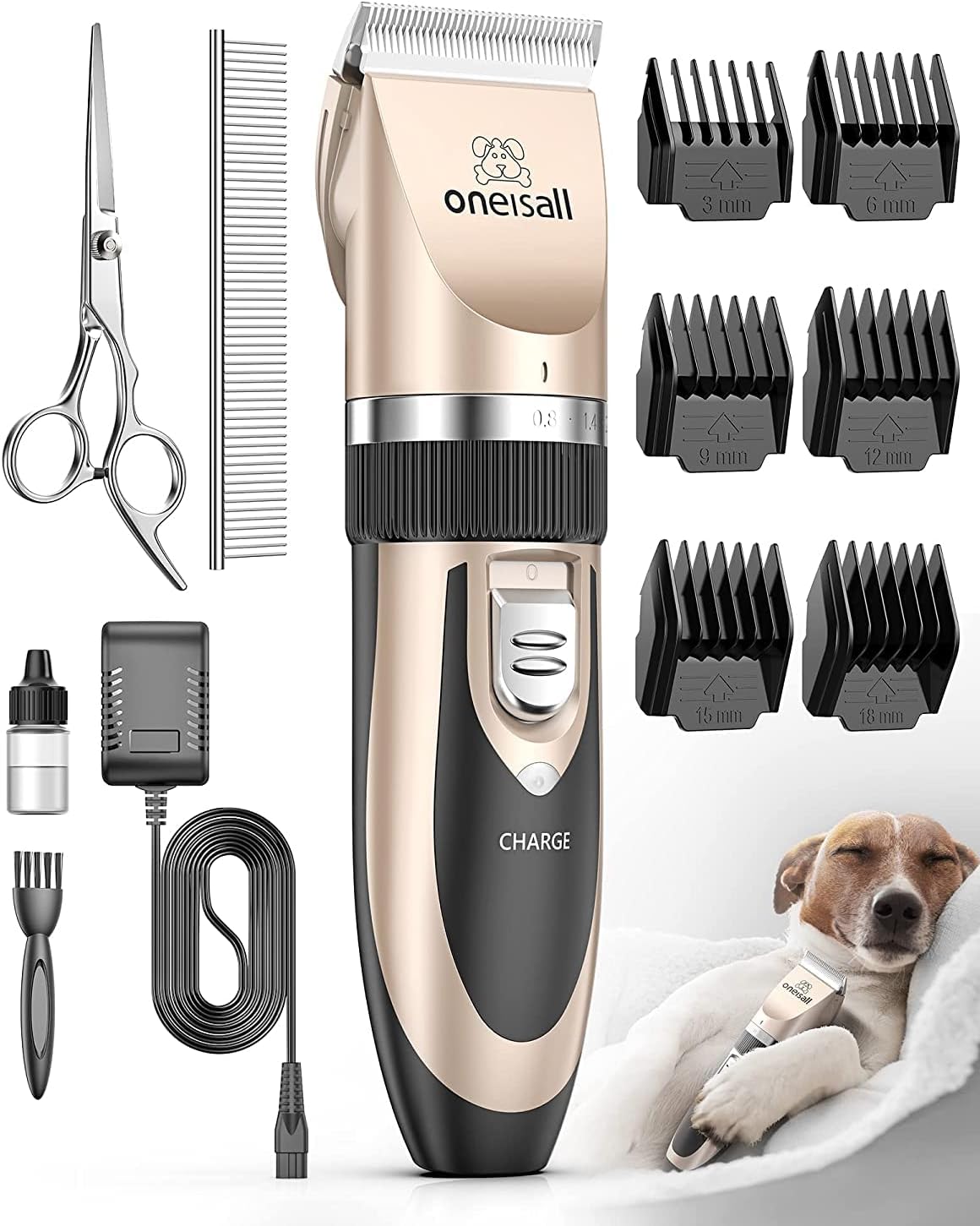
oneisall Low Noise Dog Clippers Grooming Kit for Dogs Cats Pets
A low-noise clipper kit aimed at nervous pets and first-time groomers, bundling the clipper, attachment guards, and basic grooming pieces in one budget box.
Visit on Amazon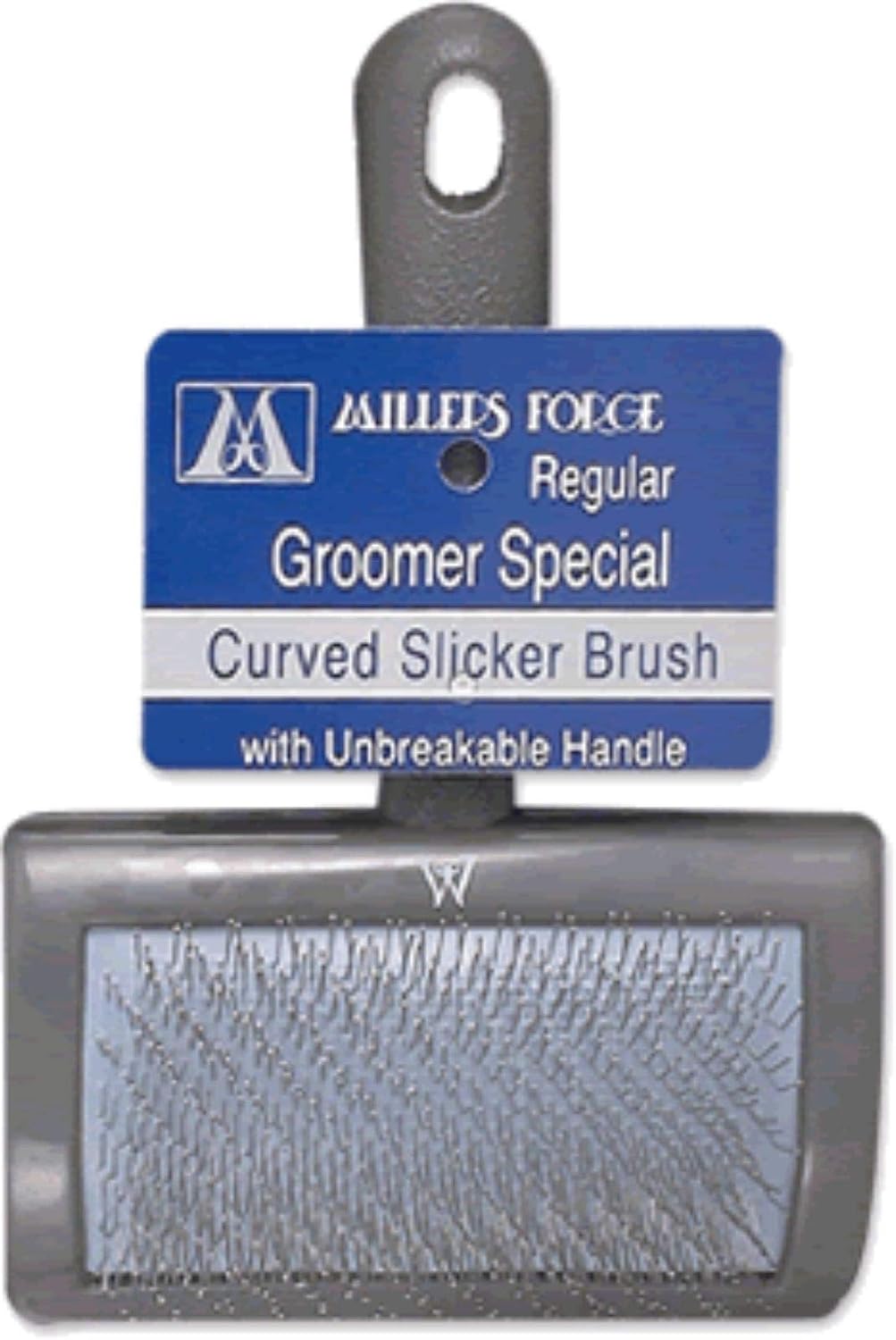
Millers Forge Stainless Steel Pins Universal Curved Pet Slicker Brush with Plastic Handle, Regular - MF120 13,Black
Stainless steel pins in a curved head with a plastic handle, sized for everyday brushing on small to medium coats where a flat slicker misses the contours.
Visit on Amazon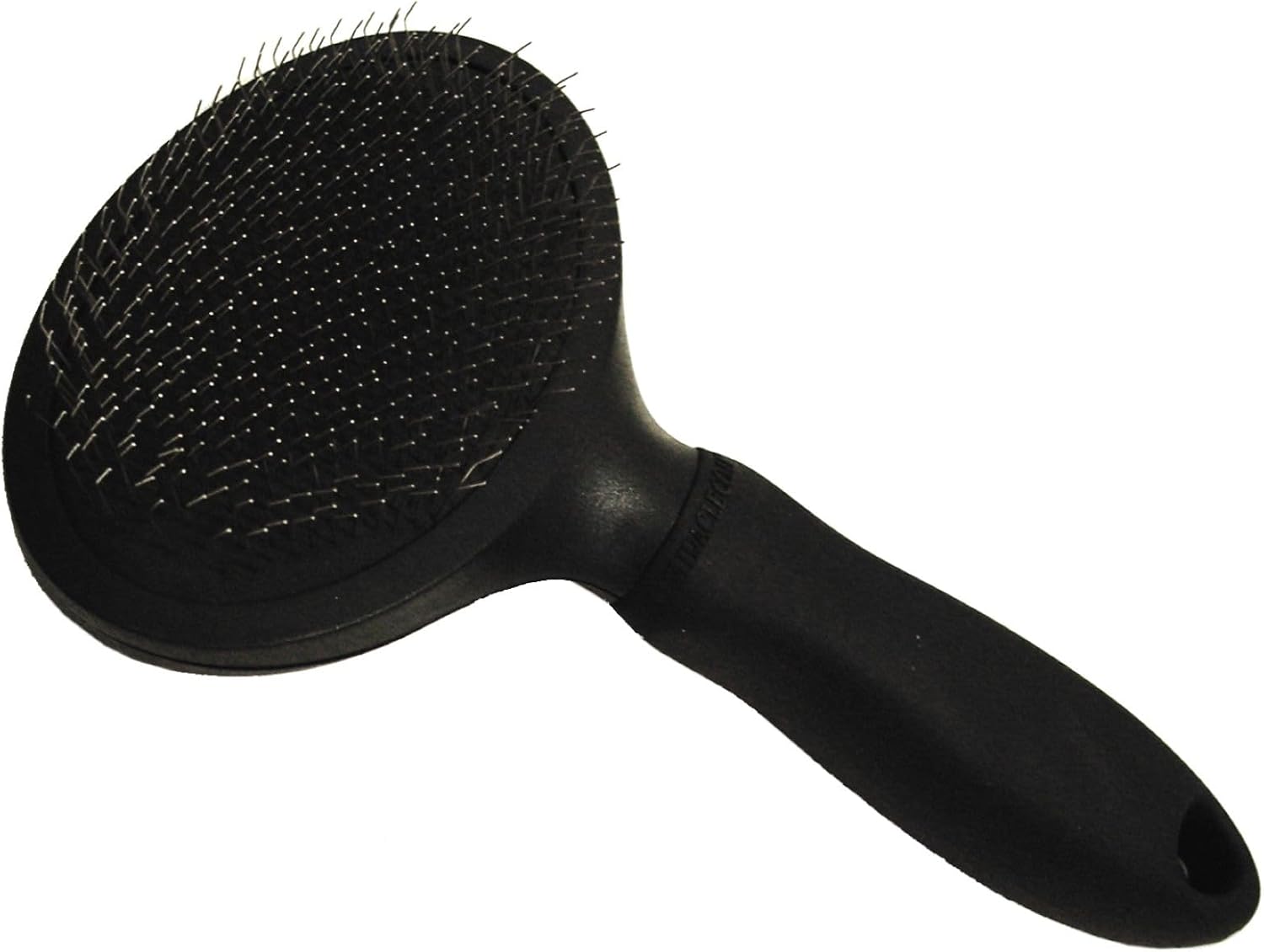
Miracle Care Large Slicker Brush for Large Dogs
A large-format slicker built for big dogs, so a lab or shepherd coat takes fewer passes than a small brush allows.
Visit on Amazon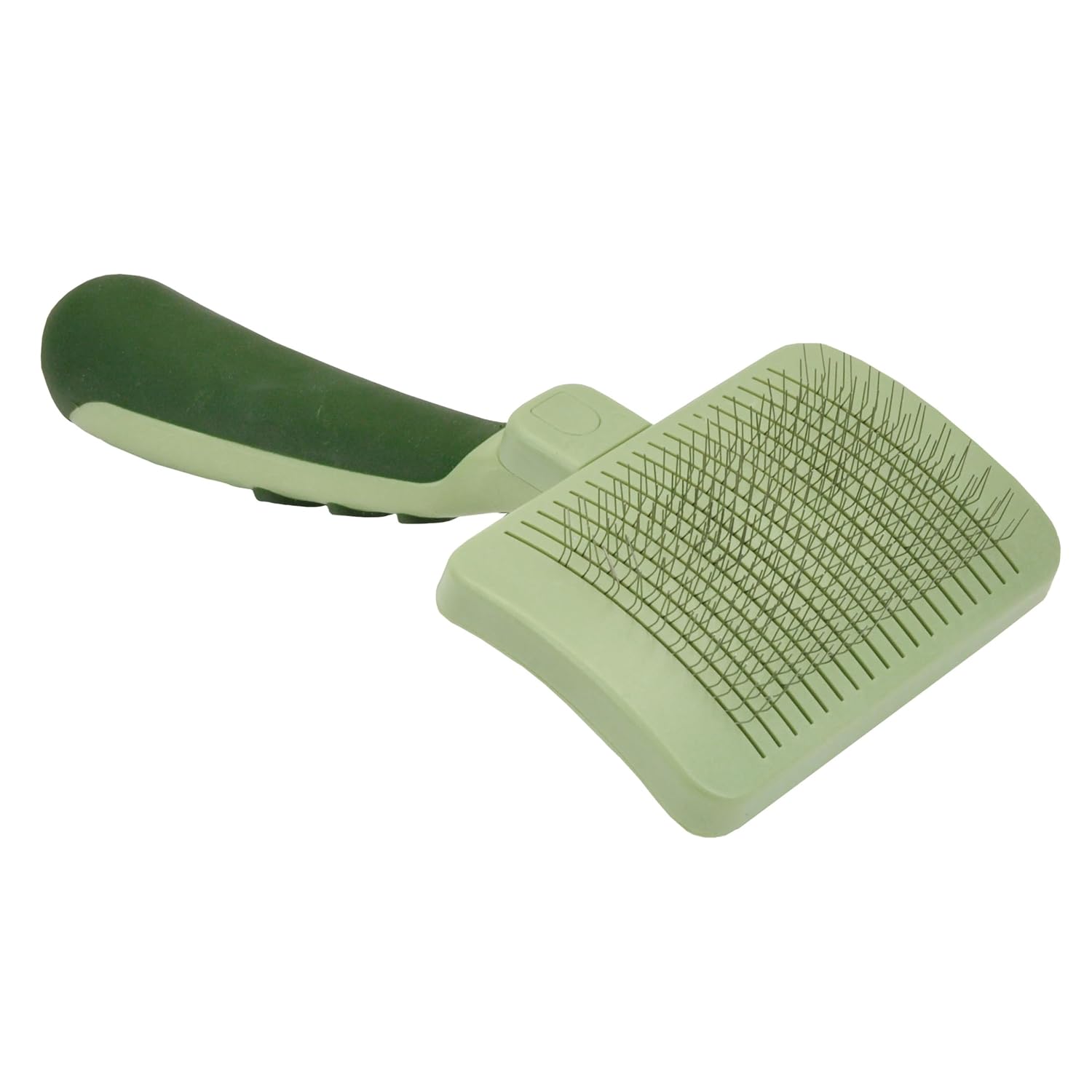
Coastal Pet Safari Cat Self Cleaning Slicker Brush, Cat Grooming Supplies
A self-cleaning slicker for cats, with a push-button mechanism that retracts the pins so loose fur drops out instead of being picked out by hand.
Visit on Amazon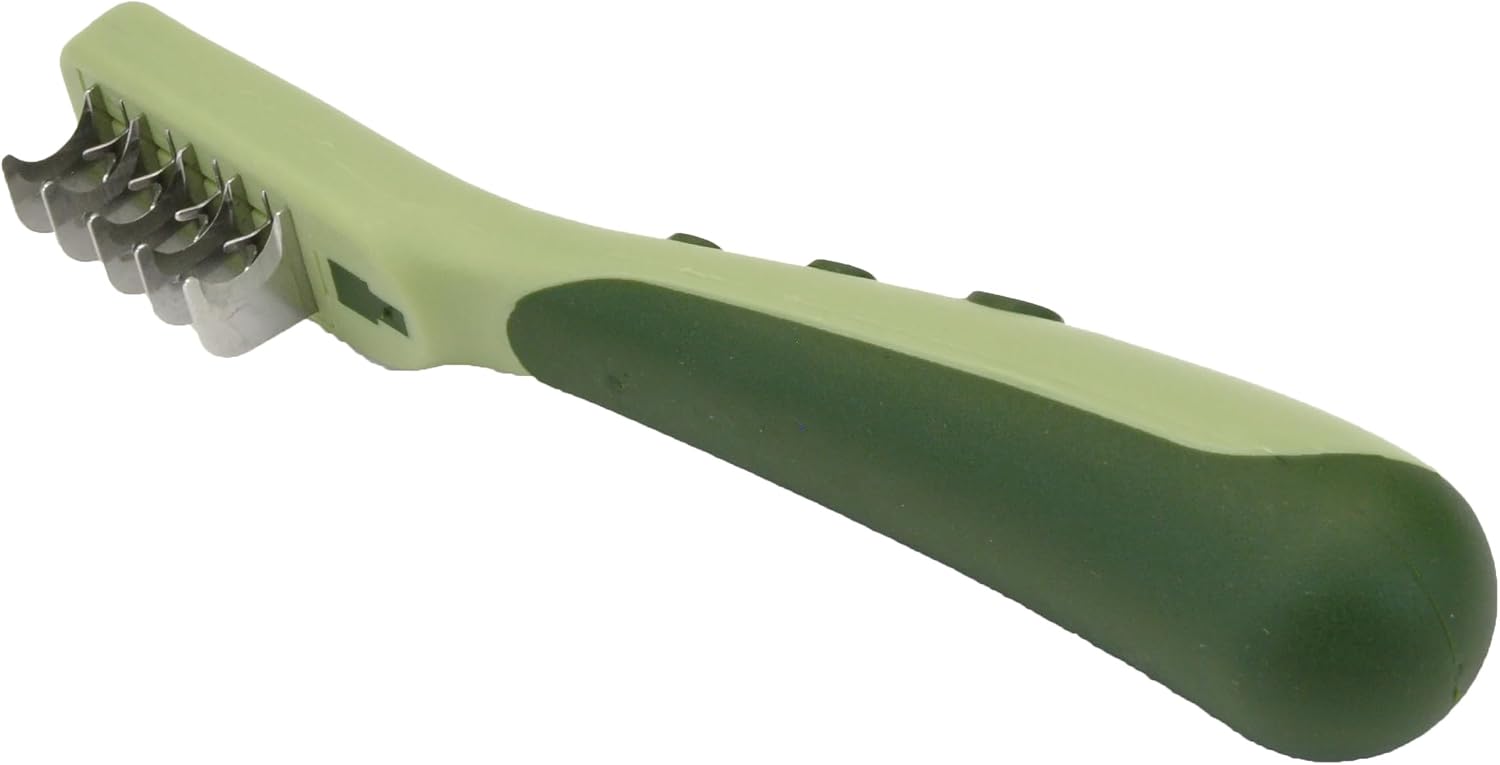
Coastal Pet Safari Dematting Comb - Brush for Dogs with Coarse, Matted or Medium to Long Hair Coats - One Size
Check current Amazon price
A dematting comb for coarse, matted, or medium to long coats, with tines meant to work through tangles instead of skimming over the top of them.
Visit on Amazon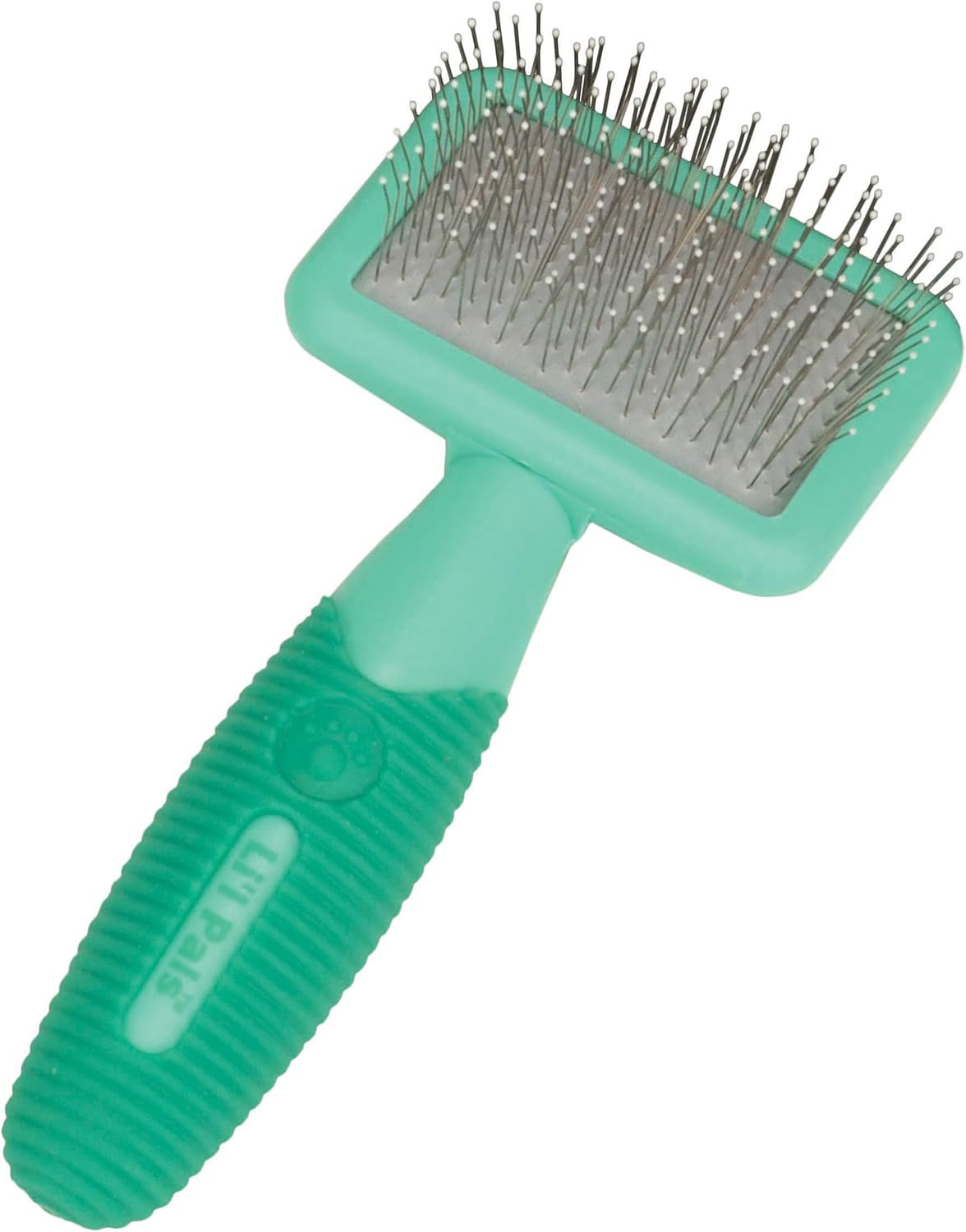
Coastal Pet Lil Pals Kitten Slicker Brush with Coated Tips
A kitten-sized slicker with coated tips, built for small, fine coats and first brushings where a full-size slicker is simply too much tool.
Visit on AmazonPrices and availability may change. Check the retailer for current details.
How these products were compared
This guide compares published specifications and construction details: the coat type and dog size each tool is built for, pin and tine construction, handle and grip design, how each one cleans up and stores, and what the tool replaces at its price. Product names, images, and retailer links are matched by product identifier so that every card points to the product shown in the picture.
One thing this comparison does not do is pretend that a budget brush and a show-quality brush are the same object. They are not. What it does instead is ask whether the cheaper tool completes the job on the coat it was designed for. A slicker sized for a large dog finishes a lab. It will not finish a matted doodle, and no amount of technique will make it try. Honest limits are more useful than a ranking.
How to choose the right grooming tool
Start with the coat, not the price tag. Every dog is a double coat or a single coat, and the two need different tools. A double coat, meaning a topcoat plus a dense undercoat, belongs to huskies, goldens, labs, and most shepherds. That coat needs line brushing down to the skin and a way to lift dead undercoat, and it should be bathed less often than most owners think. A single coat, meaning continuously growing hair, belongs to poodles, doodles, Yorkies, and bichons. That hair mats instead of shedding, so it needs a slicker that reaches the skin every couple of days and a clipper that keeps up with the growth.
Next, size the tool to the dog. A regular slicker is right for a cocker spaniel and wrong for a Great Pyrenees, where the large format saves you a dozen passes per side. The reverse is also true: a large slicker on a toy breed is all handle and no control, and a kitten brush with coated tips is a far better first experience for a small, fine coat than a full-size pad of pins.
Then decide the order you are buying in. If the coat is long or curly, the brush comes first, because brushing is what keeps a dog off the clipper in the first place. If the coat is short and tidy, the clipper kit comes first, because trimming feet, sanitary areas, and faces is the job you cannot do with a brush. Home groomers who buy a clipper before they buy a brush usually end up shaving a dog they could have saved.
Noise matters more than most listings admit. A clipper that runs loud is a clipper a nervous dog will fight, and a dog that fights the clipper is a dog that gets a half-finished haircut. That is the entire reason a low-noise kit sits at the top of this page rather than a more powerful one.
Finally, be honest about mats. If your dog's coat has tightened into a pelt, the tool you need is a groomer, not a comb. A dematting comb is for tangles you can still separate with your fingers. If you want the longer version of that conversation, read how to deshed a double coat without wrecking the topcoat before you buy anything with a blade on it.
oneisall Low Noise Dog Clippers Grooming Kit for Dogs Cats Pets
This is the pick for the household that is starting from nothing. The kit is built around a low-noise clipper and includes the guards and basic grooming pieces that a first-time owner would otherwise buy one at a time over three separate orders. For a single small to medium dog, that is the whole job in one box: feet, sanitary trim, face tidy-up, and a body clip when the coat gets ahead of you.
The low-noise design is the part worth paying attention to. Clipper noise is a stress test, not a preference. A dog that lip-licks and yawns while the clipper runs is telling you the motor is too much, and a quieter tool buys you the minutes you need to finish a foot without a wrestling match. It is also the reason this kit suits cats and anxious pets, not just dogs.
The trade-off is real and you should hear it before you buy. This is not a pro clipper and it does not pretend to be one. On a thick, dense coat the motor will fade before your patience does, so a husky in full coat or a doodle with a pelted leg is a job for a groomer or a heavier machine. On a Maltese, a Yorkie, a shih tzu, or a short-coated dog that just needs tidy edges, it does what it says.
Alternatives to consider
The Coastal Pet Safari Dematting Comb is better suited to coarse, matted, or medium to long coats, where the job is separating tangles rather than smoothing a finished coat. The Miracle Care Large Slicker Brush for Large Dogs is a stronger fit when the dog is big enough that a standard slicker turns a ten-minute brush-out into a twenty-minute one.
The Millers Forge Stainless Steel Pins Universal Curved Pet Slicker Brush, the Coastal Pet Safari Cat Self Cleaning Slicker Brush, and the Coastal Pet Lil Pals Kitten Slicker Brush with Coated Tips cover the rest of the everyday brushing work. The Millers Forge curved head follows the shape of a shoulder or a haunch, which is where flat slickers tend to skim. The Safari self-cleaning slicker is the cat-sized answer, with a button that retracts the pins so the fur falls out instead of being combed out of the brush by hand. The Lil Pals kitten brush with coated tips is the gentlest of the group, and the right first brush for a puppy or a cat that has never been brushed.
What none of these do is cut a coat. They are brushing tools, and brushing tools do not fix a mat that has already tightened. If you are choosing between a comb and a clipper for a matted dog, the clipper wins, and the comb is for maintenance afterward.
Day-to-day use and maintenance
Slickers need cleaning more often than owners clean them. Fur packed between the pins turns a brush into a smacker, and a brush that smacks does nothing except annoy the dog. Flick the pad out after every session, and wash the pins in warm soapy water when the brush starts feeling stiff. Self-cleaning brushes handle half of that job with the push of a button, but the pins still need a wash now and then.
Clipper maintenance is the other half of the routine. Brush the hair out of the blade after every use, oil the blade before and during clipping, and check the blade temperature with the back of your hand against your own wrist. A blade that is too hot to hold there is too hot for a dog's skin, and blade burn is the injury nobody plans for. Keep a spare blade if you clip a full body, and let the first one cool while the second one works.
Brush in the direction the coat grows, in lines rather than circles, and go back over the same line until the slicker glides instead of catching. Short sessions beat long ones. Five minutes on a cooperative dog every other day will keep more coats off the clipper than any single marathon session on a Sunday.
Finally, watch the dog, not the clock. A dog that keeps turning its head, licking its lips, or yawning is done for the day. That is not stubbornness. That is information, and the tool is the easy part.
Buying checklist
- Match the tool to coat type first: double coat, single coat, or a coat that is already tangling.
- Size the brush to the dog, since a large slicker on a toy breed is as wrong as a kitten brush on a lab.
- Confirm the exact model includes the feature you are buying it for, whether that is coated tips, a self-cleaning mechanism, or a set of attachment guards.
- Check the noise rating on any clipper if your dog is nervous, and read the cleaning instructions for both the blade and the brush.
- Verify the current retailer price, availability, and return terms before you commit.
Final recommendation
Choose the oneisall Low Noise Dog Clippers Grooming Kit for Dogs Cats Pets when you are setting up for the first time with a small to medium dog, a cat, or a nervous pet, and you want the clipper, guards, and basics in one purchase. Choose the Coastal Pet Safari Dematting Comb when the coat in front of you is coarse, long, or already tangling and the brushing tools you own are skimming the surface. Add a slicker sized to your dog either way, because brushing is the habit that keeps a clipper in the drawer. Buy for the coat you own, not the coat on the box, and the budget takes care of itself.